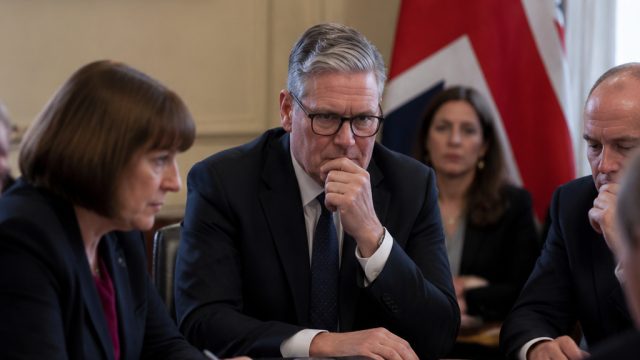
Examining the Governance Challenges Facing Modern Britain
The political landscape in Britain is increasingly complicated, raising significant questions about the effectiveness of its governance. As we delve into the current state of affairs, it becomes clear that understanding the underlying challenges is paramount for citizens and leaders alike.
The Historical Context of Governance in Britain
To fully grasp the current situation, one must first acknowledge the historical context of Britain's governance. The nation has long been characterized by its robust democratic institutions and traditions. However, recent events have begun to challenge the efficacy of these systems, leading many to wonder whether Britain is becoming ungovernable.
Shifts in Political Power
The past few years have witnessed dramatic shifts in political power, highlighted by:
- The Brexit referendum, which divided public opinion and political parties.
- The rise of populism, which has altered the political discourse.
- Frequent leadership changes that have led to instability.
Current Governance Issues: Why It Matters Now
Today, Britain stands at a crossroads. The combination of economic challenges, social unrest, and a fragmented political landscape poses significant risks to governance.
Economic Pressures
The aftermath of the pandemic has left the British economy grappling with inflation and rising living costs, resulting in:
- Increased public dissatisfaction with government policies.
- Challenges in addressing public health and welfare needs.
- Struggles to maintain international trade relationships.
Social Divisions
Worsening social divisions have also contributed to the perception of ungovernability. The public's trust in institutions is dwindling, fueled by:
- Political scandals that have eroded confidence.
- Disparities in wealth and access to resources.
- The rise of social media, which amplifies dissenting voices.
The Role of Leadership in Mitigating Governance Challenges
Effective leadership is crucial to addressing these challenges. It requires empathy, transparency, and a commitment to inclusivity.
Building Trust with Citizens
Leading in these tumultuous times means establishing a strong relationship with the populace. Leaders must:
- Engage citizens in meaningful dialogue.
- Prioritize accountability and ethical governance.
- Implement policies that address the root causes of social unrest.
Innovative Solutions and Collaboration
To navigate the complexities of modern governance, collaboration across sectors will be key. This includes:
- Engaging with community organizations for grassroots solutions.
- Partnering with businesses to stimulate economic growth.
- Utilizing technology to enhance transparency and citizen engagement.
Conclusion: A Call for Action
As Britain confronts these multifaceted governance issues, it is imperative that all stakeholders recognize the urgency of the situation. By fostering a culture of collaboration, trust, and innovation, it is possible to steer the nation toward a more stable and prosperous future. The question remains: how will leaders rise to the occasion in this critical moment?