Whole-network Integrated Marketing Service Provider
PC+Mobile version+WeChat=Data synchronization management
Free ConsultationHotline:4009-999-999

PC+Mobile version+WeChat=Data synchronization management
Free ConsultationHotline:4009-999-999

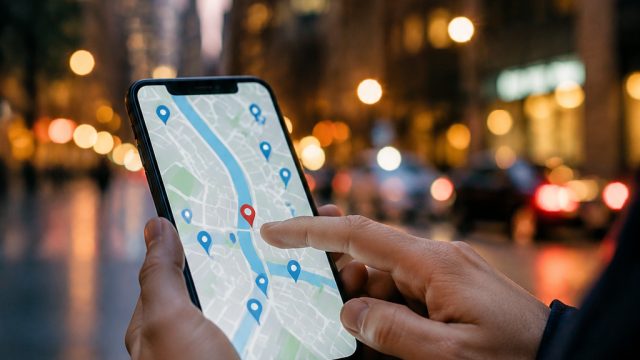
In the rapidly evolving world of digital marketing, location data has emerged as a crucial asset for businesses seeking to enhance their marketing strategies. As consumer behavior shifts and technology advances, understanding the geographic context of your audience is more important than ever. This article delves into why location data matters now and how it can provide a competitive edge for brands.
Location data refers to information that pinpoints the physical location of individuals, often gathered through devices like smartphones and GPS systems. This data can reveal a wealth of insights, from where a consumer shops to their typical travel routes. With the rise of digital marketing, businesses can now harness this data to tailor their advertising efforts more precisely.
Previously, businesses relied heavily on broad demographics and TV market regions to segment their audience. However, these methods often fail to capture the nuances of consumer behavior. Here are key reasons why location data has become preferable:
As businesses adapt to the digital age, several trends are shaping how location data is utilized:
With more consumers searching for products and services near them, optimizing for local search has become essential. Businesses are leveraging location data to enhance their local SEO efforts and ensure they appear in search results when potential customers are in the vicinity.
Social media platforms are increasingly using location data to help brands connect with local audiences. By using geotargeting, companies can deliver customized ads and content, leading to higher conversion rates.
Location data allows brands to create tailored experiences for their customers. For example, by analyzing foot traffic patterns, businesses can offer targeted promotions at the right time and place, driving both footfall and sales.
Advancements in technology have made it easier for businesses to collect and analyze location data:
Mobile apps are a powerful tool for gathering location data. Many apps request users' location to provide personalized content or services, enabling businesses to gather valuable insights and improve user experience.
The integration of Internet of Things (IoT) devices and GPS technology allows for real-time tracking of consumer behavior. This data can inform marketing strategies, helping brands to understand customer movement and preferences.
Data analytics platforms can process vast amounts of location data, providing actionable insights. Businesses can utilize these analytics to develop targeted campaigns and assess the effectiveness of their marketing efforts.
As we progress through 2023, the importance of location data in marketing is only set to increase. Here are a few reasons why businesses must prioritize this aspect:
In conclusion, location data is no longer just an optional strategy for businesses; it has become essential in navigating the modern digital landscape. As consumer behavior continues to evolve, companies that harness the power of location data will be better positioned to connect with their audience, enhance customer experiences, and ultimately drive success. Now is the time for businesses to invest in understanding and utilizing location data to stay ahead in a competitive market.
*Please fill in the required information carefully and we will contact you within 24 hours.