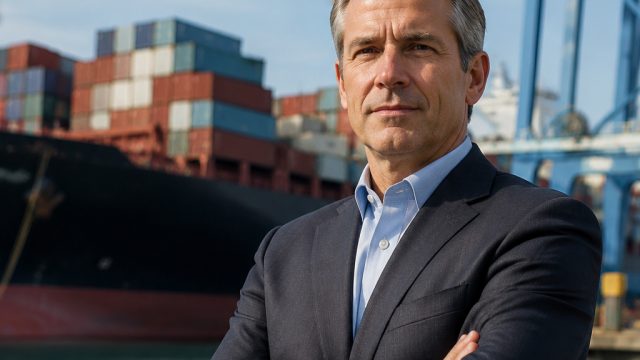
Transforming Port Operations: Insights from Long Beach's CEO
The Port of Long Beach, recognized as North America's busiest port, is at the forefront of a major transformation aimed at enhancing sustainability and efficiency in port operations. In a recent interview with Dr. Noel Hacegaba, CEO of the Port of Long Beach, we explored the innovative strategies being implemented to address the pressing challenges facing global trade today.
Revolutionizing Operations for Environmental Sustainability
As the logistics industry faces increasing scrutiny regarding its environmental impact, ports are pivotal in leading the charge towards sustainable practices. Dr. Hacegaba emphasized that the Port of Long Beach has adopted a comprehensive approach to reduce emissions and enhance operational efficiency. This includes the implementation of advanced technologies and sustainable infrastructure initiatives.
Advanced Technologies Driving Change
At the heart of the port's transformation are several key technological advancements. These innovations not only improve logistics but also significantly reduce carbon footprints. Major initiatives include:
- Automated Cargo Handling: The introduction of robotic systems for cargo handling boosts efficiency while minimizing human error.
- Clean Energy Initiatives: The port is investing in renewable energy sources to power operations, aligning with California's ambitious environmental goals.
- Smart Infrastructure: The integration of IoT devices enables real-time monitoring and predictive analytics, optimizing cargo flow and reducing congestion.
Collaboration with Industry Stakeholders
Dr. Hacegaba highlighted the importance of collaboration among various stakeholders in the shipping and logistics industries. Partnerships with shipping companies, local governments, and environmental organizations are crucial for implementing effective sustainability initiatives. By working collectively, the Port of Long Beach aims to set a benchmark for port operations globally.
Engaging the Community
Involving local communities in the port’s operations is another vital aspect of enhancing transparency and accountability. The port has launched several community outreach programs designed to inform residents about ongoing projects and gather feedback. This engagement fosters a sense of ownership and collaboration, ensuring the port operates not just for profit but for the public good.
Challenges Ahead: Navigating the Future of Ports
While the Port of Long Beach is making strides, several challenges remain. The global supply chain is still recovering from disruptions caused by the pandemic, and as demand fluctuates, ports must remain agile. Dr. Hacegaba noted that adapting to these changes requires continual investment in both technology and workforce development.
Preparing for Future Disruptions
The port is prioritizing resilience by preparing for potential future disruptions. Strategies include:
- Diverse Supply Chain Strategies: By diversifying supply chains, the port can mitigate risks associated with dependency on specific routes or regions.
- Workforce Training Programs: Investing in employee training ensures that the workforce is equipped to handle new technologies and adapt to changing industry needs.
- Enhanced Data Analytics: Employing data-driven decision-making helps the port stay ahead of trends and adjust operations proactively.
Conclusion: A Model for Modern Port Operations
Dr. Noel Hacegaba's vision for the Port of Long Beach exemplifies how modern ports can be both efficient and environmentally responsible. By leveraging technology, fostering community engagement, and preparing for future challenges, the port is not only enhancing its operational capabilities but also setting a standard for ports worldwide. As global trade continues to evolve, the strategies employed by the Port of Long Beach serve as a critical model for other ports aiming to thrive in a sustainable future.