


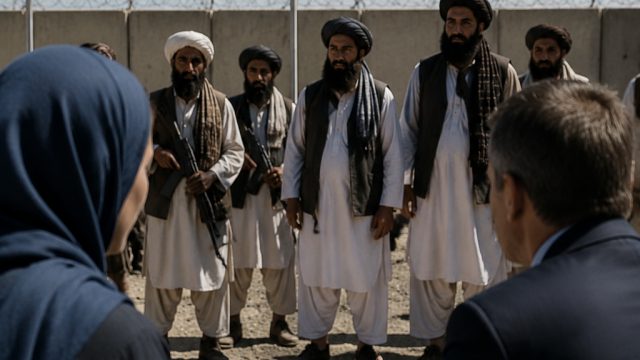
Growing Concerns Over EU Talks with Taliban Amid Human Rights Violations
The European Union's proposed discussions with Taliban representatives have sparked significant debate and concern among lawmakers and human rights organizations. A recent letter has underscored the pressing issue of potentially granting legitimacy to a regime notorious for its systematic human rights abuses.
Understanding the Context: EU and Taliban Relations
Since the Taliban regained control over Afghanistan in 2021, the international community has grappled with how to engage with a regime that has shown little regard for human rights, especially concerning women and minorities. As the EU considers opening dialogue, advocates warn that such talks could be seen as an endorsement of the Taliban’s oppressive practices.
The Importance of Human Rights in Diplomacy
Human rights should be central to any diplomatic discussion. Granting the Taliban a platform could undermine global commitments to uphold human dignity and freedom. Here’s why this matters:
- Legitimacy: Engaging in talks might legitimize a regime that has inflicted severe abuses on its citizens.
- Message to Oppressed: It sends a detrimental message to Afghan citizens, particularly women, who continue to suffer under oppressive laws.
- Global Implications: This could encourage other authoritarian regimes to believe they might achieve similar recognition.
Who is Raising the Alarm?
A coalition of rights groups and lawmakers has united to express their fears regarding the EU's approach. They stress the importance of maintaining a clear stance against human rights violations while exploring avenues for humanitarian assistance. Their collective voice calls for a reevaluation of the EU’s engagement strategy, emphasizing that dialogue should not come at the expense of ethical standards.
Key Arguments Against the Talks
The opposition to the talks presents compelling arguments, which include:
- Systematic Abuses: The Taliban's track record includes numerous documented cases of violence and repression against various groups.
- International Precedent: Engaging with such a regime sets a precarious precedent for future international relations.
- Inconsistent Policy: It contradicts the EU’s longstanding commitment to human rights, risking credibility on the world stage.
Possible Outcomes of the Talks
If the EU proceeds with the discussions, various outcomes could arise:
1. Increased Legitimacy for the Taliban
Formal talks may lead to greater international recognition of the Taliban, complicating efforts to hold them accountable for human rights violations.
2. Humanitarian Aid Complications
While the intent may be to facilitate aid, collaborating with the Taliban could hinder the delivery of assistance, particularly if the regime insists on control over distribution.
3. Global Backlash
The decision to engage could provoke backlash from other nations and organizations that prioritize human rights, potentially isolating the EU in international relations.
Conclusion: The Urgency for Ethical Diplomacy
The situation demands urgent attention. As the EU weighs its options, the emphasis must remain on upholding human rights and ethical diplomacy. The international community is watching closely, and the repercussions of these decisions will extend far beyond Europe, impacting the lives of countless Afghans under Taliban rule.
Engaging with the Taliban is a complex issue that requires careful consideration. As public outcry grows, it is crucial that the EU responds with a commitment to human rights and an unwavering stance against oppression.
